
Blog
Signature F-series Direct Bolt in Seat 1957-1996

Sure—here’s a comprehensive blog post about the Signature F-series Direct Bolt-in Seat covering 1957–1996. I’ll assume this refers to a classic car seat option that bolts directly into F-series trucks (Ford F-series) over those years. If you meant a different brand or a different “F-series,” tell me and I’ll tailor it.
Title: The Signature F-Series Direct Bolt-In Seat: A Heritage Upgrade for 1957–1996 Ford F-Series Trucks
Introduction If you’re restoring or maintaining a Ford F-Series pickup from the late 1950s through the mid-1990s, you’ve likely confronted the twin challenges of comfort and compatibility. The Signature F-Series Direct Bolt-in Seat is a practical solution that marries classic design with modern comfort, all while preserving the truck’s silhouette and original look. This blog post dives into what makes this seat a standout choice, how it’s installed, and what to consider when upgrading your F-Series ride.
- Why a Direct Bolt-In Seat Makes Sense
- Fitment without fabrication: A “direct bolt-in” seat is designed to mount to the stock seat tracks and mounting points already found in the F-Series chassis. This minimizes or eliminates the need for custom brackets, cutting, or welding.
- Time and cost efficiency: Installation can be completed in a weekend with basic tools, saving on shop labor costs and downtime.
- Preservation of value: OEM-style or period-correct seats help maintain the truck’s authenticity, a key consideration for collectors and enthusiasts.
- Improved comfort and safety: Modern seats often feature better cushioning, seat rails, and, depending on the model, improved seat belts or integrated headrests.
- The Span: 1957–1996 Ford F-Series Explained
- 1957–1960 (First-generation “P-Series” era): These early trucks featured bench seats with simple mounting hardware and generous under-seat clearance. A direct bolt-in upgrade can be particularly appealing for replacing worn cushions and springs.
- 1961–1966 (Second generation re-design): Expect firmer tracks and slightly updated mounting points. Many direct-bolt options are designed to align with the existing bench rail pattern.
- 1967–1972 (Third generation): The era introduces more varied cab configurations (two- and three-door configurations in some lines). Compatibility hinges on whether you’re dealing with a two-door long cab or short cab.
- 1973–1979 (Crew cab evolution and wider cabs): If your F-Series has a wider interior, ensure the seat width and track spacing match your specific cab model.
- 1980–1996 (F-Series modernization): This period includes several redesigned cabs and seat mechanisms. Direct-bolt seats for these years typically emphasize aftermarket adaptivity (sliders, rails, or subtle bracket changes) to maintain bolt patterns while upgrading cushion quality.
- Key Features of the Signature F-Series Direct Bolt-in Seat
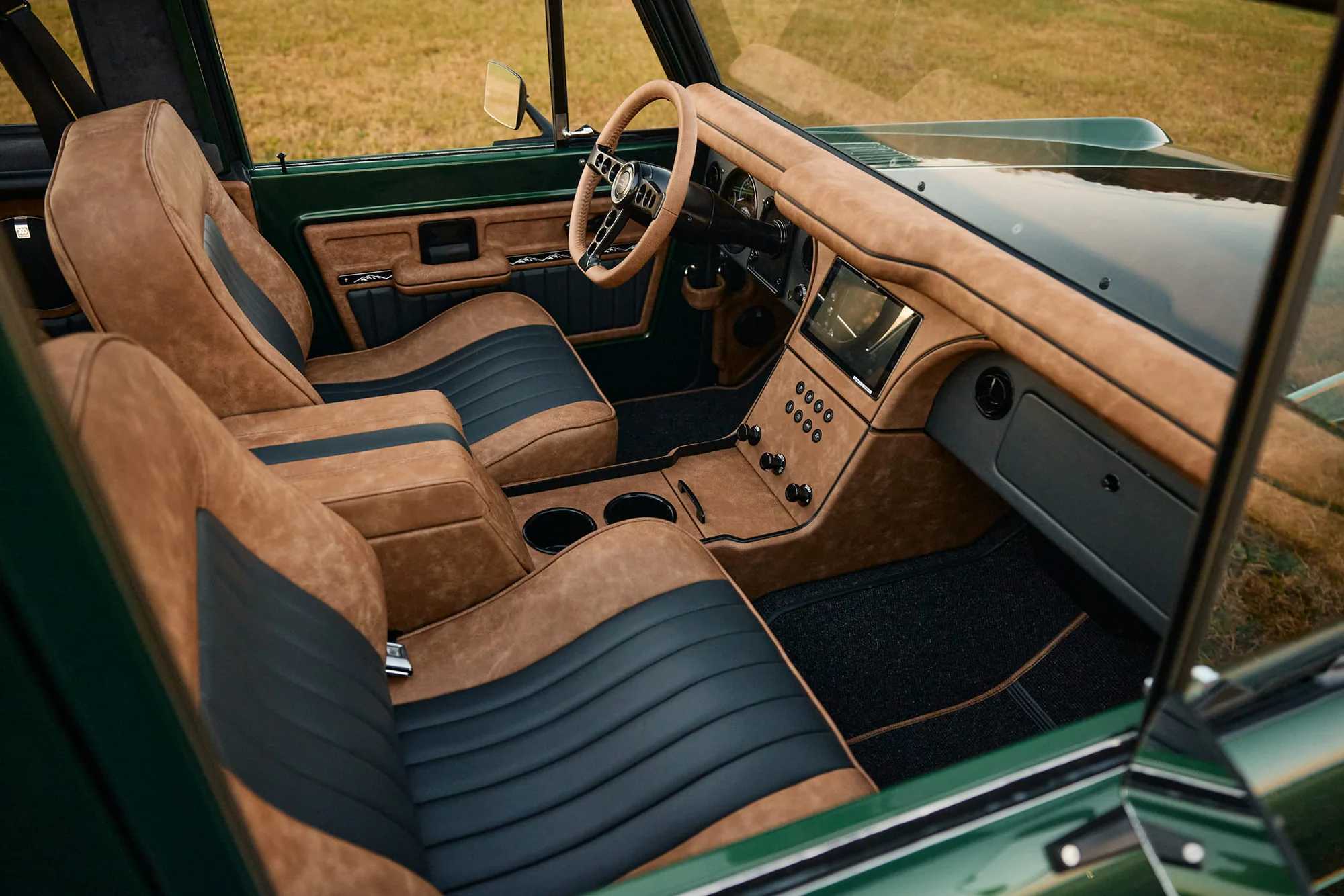
- Authentic look with modern comfort: A balance between period-correct aesthetics (vinyl or cloth upholstery, color options) and up-to-date foam density and support.
- Standard mounting pattern: Pre-drilled tracks that align with common F-Series seat rails, reducing the need for fabrication.
- Optional upgrades: Some models offer integrated headrests, split-bench configurations, or fold-forward mechanisms for easier access to the rear seat in extended cab configurations.
- Safety considerations: Reinforced seat frames, compatible seat belts or belt anchors, and compliance with modern safety standards where applicable.
- Installation Overview Note: Always refer to the specific model’s installation manual for exact instructions, torque specs, and safety cautions.
- Tools you’ll typically need:
- Socket set (various metric sizes)
- Wrench set
- Screwdrivers (flat and Phillips)
- Utility knife (for upholstery trimming, if needed)
- Marker or tape (to align tracks)
- White lithium grease or silicone spray (for rail lubrication)
- Basic steps:
- Disconnect the battery and ensure the vehicle is securely supported.
- Remove the old seat: unbolt the seat from the floor mounts, detach any electrical connectors (if powered or heated), and strap the seat out of the cab.
- Inspect mounting points: Clean and inspect floor pans for rust or damage; repair if necessary before installing the new seat.
- Align the new seat: Place the new seat on the floor, align with existing tracks, and verify fore-aft and tilt range.
- Bolt in place: Start with the front bolts, snug them to spec, then attach rear bolts. Torque to the manufacturer’s specification.
- Reconnect any electrical components: If the seat has power adjusters, heating, or airbags, reconnect and test.
- Test fit and function: Move the seat through its range of motion, check clearance with the steering column, dash knobs, and door panels, and confirm proper seating position.
- Final checks: Reinstall trim panels and seat covers, and perform a short test drive to ensure there’s no interference or looseness.
- Common fitment caveats:
- Some vehicles may require minor trimming of lower seat cushions or modification of mounting brackets. Always verify clearance with the steering wheel and gear shifter.
- If the seat has a different track pitch, you may need adapter rails or a small set of brackets—still less invasive than full fabrication.
- Heated seats or power adjustments may require wiring harness adapters or relays compatible with older electrical systems.
- Pros and Cons at a Glance
- Pros:
- Easier installation with minimal fabrication
- Improved comfort and support
- Preserves classic interior look while upgrading materials
- Potentially increases resale value for restorations
- Cons:
- Not all direct-bolt options fit every sub-model or cab configuration; verify exact match
- Some seats may require minor adjustment or adapters
- Insurance or safety considerations for modernization may vary by region
- Styling and Customization Ideas
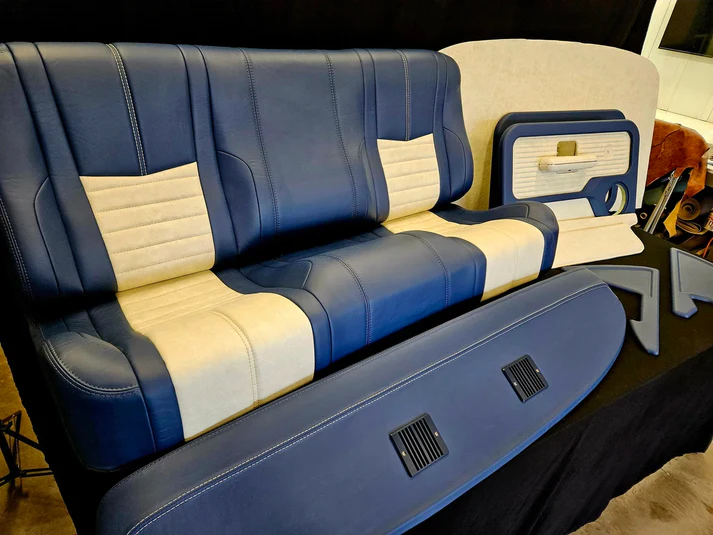
- Upholstery: Choose period-appropriate vinyl with contrasting piping or a two-tone cloth for a classic yet refreshed feel.
- Color coordination: Align seat color with exterior paint or interior trim to maintain a cohesive look.
- Seat belts and anchors: Upgrade to modern seat belts with retro styling to improve safety without sacrificing vintage aesthetics.
- Access and convenience: Consider a fold-forward or split-bench design for easier access in extended cabs.
- Choosing the Right Seat for Your F-Series
- Define your goals: Are you aiming for maximum comfort on daily drives, a show-ready restoration, or a combination of both?
- Check compatibility: Confirm the seat’s bolt pattern, track width, and mounting height against your specific F-Series year and cab configuration.
- Warranty and support: Look for direct bolt-in seats that come with installation instructions, mounting hardware, and a customer support line.
- Maintenance and Longevity
- Regular cleaning: Vacuum and wipe down upholstery; treat leather or vinyl with appropriate conditioners to prevent cracking.
- Inspect mounting hardware: Periodically check bolts for tightness and inspect rails for rust or wear.
- Replace foam and covers as needed: Over decades, foam compresses; upgrading foam density can dramatically improve comfort.
Conclusion The Signature F-Series Direct Bolt-in Seat offers a practical path to modern comfort without betraying the timeless lines of Ford’s iconic F-Series trucks. By focusing on authentic fitment, straightforward installation, and tasteful upgrades, you can enjoy a more comfortable ride and preserve the truck’s classic charm for years to come. If you’d like, tell me your exact F-Series year and cab configuration, and I can recommend specific seat models, track dimensions, and a step-by-step installation plan tailored to your truck.
Would you like me to: